
Newborn Photographer Charleston SC: Infant Safety and Macro Lighting
Especialista em Newborn Photography em Charleston SC: segurança do bebê e iluminação macro para fotos inesquecíveis. Agende sua sessão hoje!
Sumário do artigo
- Neonatal Physiology and Pediatric Structural Safety Standards
- Positional Asphyxiation and Cervical Alignment
- Safe Composite Posing Mechanics: The Froggy and Prop Poses
- The Step-by-Step Froggy Composite Protocol
- Weighting and Cushioning Props
- Environmental Thermoregulation and Acoustic Soothing
- Maintaining the Thermal Environment
- Continuous Acoustic Masking
- Macro Optics and Detail Photography: Preserving Fragile Textures
- True 1:1 Life-Size Magnification Mechanics
- Depth-of-Field Control for Macro Details
- Safe Macro Lighting: Bounced Strobes and Retinal Protection
- Bounced Strobes vs. Continuous Hot Lights
- Feathering Light Across the Infant Form
- Sanitization and Hygiene Protocols: The Clean Studio Bubble
- Fabric Care and Surface Disinfection
- Frequently Asked Questions (FAQ)
- What is the best age window to schedule newborn photos with a newborn photographer Charleston SC?
- How long does a typical fine-art newborn photography session last?
- Are advanced poses like the Froggy pose safe for all newborns?
- What should parents do to prepare their baby on the morning of the photo shoot?
- Can parents and older siblings be included in newborn portrait sessions?
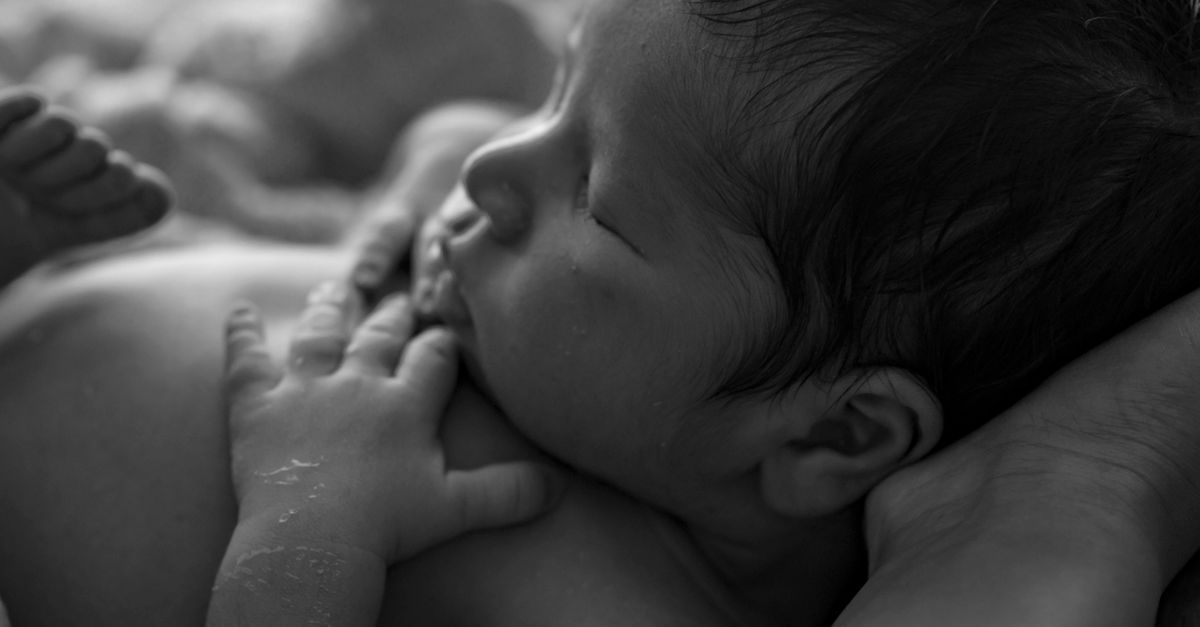
Capturing fine-art newborn portraiture requires an uncompromising synthesis of pediatric anatomical safety, neonatal thermoregulation, specialized optical macro-mechanics, and diffused photometric engineering. Throughout the coastal Lowcountry of South Carolina—spanning peninsular Charleston, Mount Pleasant, Summerville, Daniel Island, and West Ashley—newborn portraiture represents an irreplaceable familial milestone. However, working with a neonate during the first two to three weeks of life demands an environment governed by clinical vigilance rather than artistic improvisation. An infant’s developing nervous system, lack of muscular cervical control, delicate epidermal barrier, and sensitive ocular pathways make traditional adult studio techniques hazardous.
Selecting a qualified, safety-certified newborn photographer Charleston SC guarantees that artistic vision never supersedes infant physiology. A dedicated specialist approaches every session as a controlled medical-artistic environment. By pairing pediatric-grade sanitization protocols and positional biomechanics with safe composite posing techniques, continuous acoustic soothing, and ultra-soft, low-powered macro lighting, parents can preserve the fleeting details of early life without exposing their child to risk. This comprehensive technical guide analyzes infant anatomical safety standards, safe composite mechanics, thermoregulation parameters, macro optical choices, and safe studio lighting for a newborn photographer Charleston SC.
Neonatal Physiology and Pediatric Structural Safety Standards
A healthy newborn undergoes significant physiological adaptations during their initial weeks of life. Understanding neonatal anatomy is the foundation of infant portraiture, preventing circulatory restriction, spinal strain, or respiratory distress during posing.
+-----------------------------------------------------------------------------------------+
|                               NEONATAL ANATOMICAL SAFETY MATRIX                         |
+--------------------------+-----------------------+------------------+-------------------+
| Anatomical System        | Neonatal Vulnerability| Posing Risk      | Safety Protocol   |
+--------------------------+-----------------------+------------------+-------------------+
| Cervical Spine & Neck    | Zero Muscular Support | Airway Collapse  | Constant Manual Su|
| Respiratory Trachea      | Soft, Pliant Cartilage| Positional Asphyx| Neutral Chin Angle|
| Circulatory Extremities  | Immature Vasomotor    | Cyanosis (Blue)  | Check Pulse & Cap |
| Hypothalamic Thermostat  | Minimal Brown Adipose | Hypothermia      | 80°F-85°F Studio  |
| Visual / Ocular Pathway  | Immature Retina       | Photophobia      | Bounced Diffuse St|
+--------------------------+-----------------------+------------------+-------------------+
Positional Asphyxiation and Cervical Alignment
The most critical safety consideration in newborn photography is the preservation of an open, unobstructed airway:
- The Pliant Trachea: A newborn’s trachea (windpipe) is composed of soft, flexible cartilage. If an infant’s chin is allowed to drop down onto their chest—a common error during improper upright or “tucked” posing—the airway can kink shut like a garden hose, leading to silent positional asphyxiation without the infant crying or coughing.
- The “Two-Finger” Alignment Rule: The photographer must ensure that the infant’s neck remains in a neutral or slightly extended position at all times. A clear, minimum clearance of two adult fingers (roughly one inch) must be maintained between the infant’s chin and their upper chest to ensure uninterrupted airflow.
- Monitoring Circulatory Tone: Immature peripheral circulation can cause hands and feet to turn dusky or mottled blue (acrocyanosis) if wrapped too tightly or positioned with body weight pressing on limbs. Specialists continually assess capillary refill times by lightly pressing the extremities to verify rapid blood flow return.
       [ Infant Arrives: Feeding, Burping & Diaper Change ]
                               |
                               v
       [ Studio Environmental Check: 82°F Ambient Temp & White Noise ]
                               |
                               v
       [ Core Positional Scan: Airway Open, Neutral Chin, Extremities Pink ]
                               |
        +----------------------+----------------------+
        |                                             |
  [ Simple Unassisted Poses ]             [ Advanced Structural Posing ]
  (Bum-up, side-lying, swaddled bean;     (Froggy pose, potato sack in crate;
   self-supported by posing cushions)      MANDATORY multi-frame composites)
        |                                             |
        +----------------------+----------------------+
                               |
                               v
       [ Spotter Hands Stay Within 3 Inches of Infant at All Times ]
                               |
                               v
       [ Macro Optical Detail Capture with Low-Power Diffused Strobe ]
Safe Composite Posing Mechanics: The Froggy and Prop Poses
Certain iconic newborn poses—most notably the upright “Froggy” pose (where the baby’s chin rests on their upright hands) or hanging hammock/branch scenes—are biologically impossible for an infant to sustain independently. A baby’s head accounts for roughly 25% of its total body weight, while their neck muscles possess virtually zero stabilizing strength.
+-------------------------------------------------------------------------+
|                  THE ANATOMY OF A COMPOSITE PHOTOGRAPH                  |
+-------------------------------------------------------------------------+
| [ Frame A: Head Supported ] -> Assistant's hands support wrists & chin  |
| [ Frame B: Crown Supported]-> Assistant's hands hold top of the head    |
| [ Post-Production Merge ]  -> Layer masks combine Frame A & Frame B     |
| [ Final Rendered Artwork ] -> Completely seamless, safe, zero-drop image|
+-------------------------------------------------------------------------+
The Step-by-Step Froggy Composite Protocol
A professional photographer creates advanced poses through digital composites, merging multiple frames while an assistant or parent holds the infant securely:
- Frame A (Wrist and Chin Support): With the infant resting on a specialized beanbag, the spotter holds the baby’s wrists and supports their chin from underneath to ensure the neck carries no downward weight.
- Frame B (Crown Support): Without moving the infant’s body, the spotter releases the wrists and gently supports the very top of the baby’s head, holding it steady against gravity.
- Digital Merging: In post-production, the photographer aligns both RAW images as layers in editing software, using non-destructive layer masks to erase the spotter’s hands from both frames. The resulting portrait shows the infant in the pose, while their spine and airway were safely supported the entire time.
                  [ Prop Staging Structural Architecture ]
       Heavy Cast-Iron or Solid Hardwood Vessel (Non-Tipping Base)
                                    |
                                    v
       Interior Counter-Weighting: 10 to 15 lbs of Sandbags in Base
                                    |
        +---------------------------+---------------------------+
        |                                                       |
        v                                                       v
  [ High-Density Foam Padding ]             [ Direct Spotter Contact ]
  Covers interior edges to isolate          Parent or assistant sits within
  the infant from hard surfaces.            arm's reach beside the bucket.
                                    |
                                    v
       [ Never Suspend an Infant or Place Them in Fragile Glass Vessels ]
Weighting and Cushioning Props
When posing an infant inside rustic wooden crates, metal basins, or wicker baskets:
- Low Center of Gravity: The bottom of every prop must be weighted with heavy lead-free counterweights or 5-pound steel shot bags to prevent the vessel from tipping if the infant shifts.
- Protective Foam Barriers: Prop interiors are lined with high-density upholstery foam, warm fleece blankets, and custom positioning wedges so the infant’s skin never touches raw wood, cold metal, or unpolished surfaces.
- Banning Glass and Ceramic Props: Glass bowls, ceramic pots, or vintage vessels with peeling paint are never used; accidental fractures present unacceptable risks to fragile skin.
Environmental Thermoregulation and Acoustic Soothing
Because newborns cannot shiver to generate body heat and have limited subcutaneous white fat reserves, they lose body temperature rapidly through radiation, convection, and evaporative cooling.
+-----------------------------------------------------------------------------------------+
|                               STUDIO CLIMATE & ACOUSTIC MATRIX                          |
+--------------------------+-----------------------+------------------+-------------------+
| Environmental Factor     | Optimal Target Range  | Physiological Role| Negative Effect  |
+--------------------------+-----------------------+------------------+-------------------+
| Ambient Room Temperature | 80°F to 85°F (27°-29°C| Thermal Homeostasis Hypothermia/Chills|
| Relative Humidity        | 45% to 55% Controlled | Prevents Skin Dry | Cracked Skin/Cold |
| Acoustic Sound Floor     | 65 to 75 dB Continuous| Mirrors Intrauterine| Startle Reflex |
| Swaddling Surface Prep   | Sanitized 100% Cotton | Prevents Rash     | Contact Dermatitis|
+--------------------------+-----------------------+------------------+-------------------+
Maintaining the Thermal Environment
- Dedicated Space Heaters: A newborn studio is kept between 80°F and 85°F (27°C to 29°C) during unswaddled setups. Ceramic space heaters equipped with digital thermostats and tip-over shutoffs maintain consistent, localized warmth around the posing beanbag.
- Skin Monitoring: If an infant’s skin turns flushed or develops sweat around the hairline, temperatures are adjusted downward. Conversely, cold hands, cool feet, or shivering signal the need for warm swaddling layers and supplemental heating.
Continuous Acoustic Masking
The intrauterine environment is loud, filled with continuous blood flow and heartbeat sounds reaching up to 80 to 90 decibels. A silent studio can leave an infant prone to the Moro (startle) reflex at small background noises.
- Broad-Spectrum Pink and Brown Noise: High-fidelity sound machines running pink or brown noise (softer in high frequencies than harsh white noise) are placed near the posing area at 65 to 75 decibels. This steady sound floor soothes the nervous system, helping the infant drift into deep sleep throughout posing transitions.
Macro Optics and Detail Photography: Preserving Fragile Textures
Newborn portraiture focuses heavily on tiny, fleeting details—delicate eyelashes, peeling newborn skin, umbilical remnants, tiny fingernails, and soft ear curves—which require dedicated macro lenses.
+-----------------------------------------------------------------------------------------+
|                                OPTICAL MACRO SPECIFICATIONS                             |
+--------------------------+-----------------------+------------------+-------------------+
| Lens Typology            | Reproduction Ratio    | Depth-of-Field   | Primary Subject   |
+--------------------------+-----------------------+------------------+-------------------+
| 100mm / 105mm True Macro | 1:1 Life-Size Magnif. | Razor-Thin < 2mm | Lashes, Toes, Lips|
| 50mm Standard Prime      | 1:4 Standard Scale    | Moderate Depth   | Swaddled Wraps    |
| 85mm Portrait Prime      | 1:6 Portrait Scale    | Flattering Bokeh | Parent-Child Sets |
| 35mm Wide-Angle (Avoid)  | High Distortion Ratio | Distorted Nose   | Distorts Infant   |
+--------------------------+-----------------------+------------------+-------------------+
True 1:1 Life-Size Magnification Mechanics
- Optical Reproduction: A true macro lens (such as a 100mm or 105mm f/2.8 prime) achieves a 1:1 reproduction ratio. This means an infant’s eyelash measuring 3 millimeters in real life is projected at exactly 3 millimeters on the camera sensor, capturing fine skin pores and delicate hair without digital cropping.
- Working Distance Safety: Longer macro focal lengths (90mm to 105mm) provide a comfortable working distance of 12 to 18 inches from the infant. This ensures the camera body and lens never cast shadows over the baby or intrude on the infant’s breathing space.
       [ True 105mm Macro Lens Mounted on Full-Frame Sensor ]
                                  |
                                  v
       [ Working Distance: Safe 14-Inch Offset from Infant Face ]
                                  |
        +-------------------------+-------------------------+
        |                                                   |
  [ Aperture Sweet Spot: f/5.6 to f/8.0 ]     [ Critical Eye-Level Plane Focus ]
  (Provides necessary 4-6mm depth plane       (Lock focus on the nearest lash row;
   to keep both lips and toes crisp)           manual micro-focus rack adjustment)
        |                                                   |
        +-------------------------+-------------------------+
                                  |
                                  v
       [ Ultra-Fast Shutter Sync Eliminates Infant Micro-Twitches ]
Depth-of-Field Control for Macro Details
At close distances, the depth of field becomes paper-thin (often less than a few millimeters at wide apertures like f/2.8):
- Stopping Down for Depth: Macro detail shots should be taken between f/5.6 and f/8.0. This ensures that the curvature of an entire toe, ear, or eyelid stays in crisp focus rather than blurring into soft focus.
- Manual Fine Focus: Photographers often use manual focus adjustments with focus peaking on high-resolution displays to confirm the focal plane sits directly on the infant’s eyelashes.
Safe Macro Lighting: Bounced Strobes and Retinal Protection
An infant’s eyes are sensitive, with underdeveloped pupillary reflexes that do not contract as quickly as adult eyes. Lighting choices must deliver soft, dimensional portraits while protecting delicate vision.
+-----------------------------------------------------------------------------------------+
|                                STUDIO LIGHTING COMPARISON                               |
+--------------------------+-----------------------+------------------+-------------------+
| Lighting Hardware        | Modifier Architecture | Light Emission   | Infant Safety     |
+--------------------------+-----------------------+------------------+-------------------+
| Giant 65" Deep Octabox   | Dual Interior Baffles | Broad, Feathered | Certified Safe    |
| Direct Bare Bulb Strobe  | None / Direct Reflec. | Harsh Specular   | STRICTLY BANNED   |
| High-Lumen Continuous LED| Hot Halogen Lamps     | Heat Generation  | Can Dry Corneas   |
| 8x8' Translucent Scrim   | Bounced Indirect Flash| Ultra-Diffused   | Medical-Grade Soft|
+--------------------------+-----------------------+------------------+-------------------+
Bounced Strobes vs. Continuous Hot Lights
- The Hazards of Continuous Video Lights: Powerful continuous LED or tungsten video lamps emit heat and high sustained light levels. Shining these lights directly at an infant can dry out fragile eyes, cause squinting, and disturb sleep.
- Low-Power Diffused Strobes: Professional infant studios utilize high-grade flash units dialed down to their lowest power settings (1/32nd or 1/64th power). The flash duration is instantaneous (roughly 1/2,000th to 1/10,000th of a second), providing ample light for the camera sensor without emitting heat or sustained brightness.
                  [ Diffused Newborn Lighting Geometry ]
       Studio Strobe Dialed Down to 1/64th Minimum Power
                                    |
                                    v
       Fired Into a 65" Deep Parabolic Umbrella with Dual Diffusion Baffles
                                    |
        +---------------------------+---------------------------+
        |                                                       |
        v                                                       v
  [ Feathered Light Plane Axis ]            [ Inverse Square Falloff ]
  Aimed 45° across the top of the           Gently sweeps down infant's body;
  infant's crown (never into eyes).         creates soft, natural shadows under nose.
                                    |
                                    v
       [ Large White Foam Core Reflector Fills Shadow Side with Soft Glow ]
Feathering Light Across the Infant Form
- The 45-Degree Overhead Axis: The main light source (such as a 60-inch to 72-inch octabox with dual diffusion panels) is positioned 45 degrees above the infant’s head and angled slightly forward.
- The Feathered Sweep: Directing the core beam of light past the infant rather than directly at them allows the softer, outer edge of the light to gently sweep across their features. This creates delicate, painterly highlights along the forehead, cheek, and nose, while naturally smoothing skin texture without harsh glare.
Sanitization and Hygiene Protocols: The Clean Studio Bubble
Newborns possess naive immune systems with low levels of maternal antibodies, leaving them susceptible to common viruses and bacterial infections. Maintaining strict sanitation standards is an essential duty for any infant photographer.
+-------------------------------------------------------------------------+
|                  CLINICAL HYGIENE AND SANITIZATION CHECKLIST            |
+-------------------------------------------------------------------------+
| [√] Medical-grade hand sanitizing scrub prior to handling the infant    |
| [√] All wraps, blankets, and fabrics laundered in hypoallergenic wash   |
| [√] Hard posing surfaces sanitized with hospital-grade disinfectant     |
| [√] Current photographer vaccinations (Tdap, MMR, Annual Flu, COVID-19) |
| [√] Strict zero-tolerance cancellation policy for studio illness/colds  |
+-------------------------------------------------------------------------+
Fabric Care and Surface Disinfection
- Hypoallergenic Laundry: Every fabric, swaddle, positioning pillow, and posing beanbag cover that contacts an infant’s skin must be laundered after every single use using fragrance-free, dye-free, hypoallergenic plant-based detergents.
- Hospital-Grade Surface Cleaning: Hard surfaces, posing buckets, and studio seating undergo wipe-downs with medical-grade, non-toxic sanitizing wipes between client appointments.
- Photographer Health Standards: Infant specialists maintain up-to-date immunizations (including Tdap for whooping cough protection) and enforce a strict rescheduling policy if either the photographer or a client shows signs of a cold, fever, or infection.
Frequently Asked Questions (FAQ)
What is the best age window to schedule newborn photos with a newborn photographer Charleston SC?
The ideal window for posed newborn sessions is between 7 and 16 days after birth. During this early period, infants remain naturally sleepy, adjust comfortably into gentle poses, and have not yet developed late-stage infant acne or digestive colic. For premature infants or babies requiring time in the NICU, sessions are adjusted based on the baby’s adjusted gestational age rather than their calendar birth date.
How long does a typical fine-art newborn photography session last?
A typical session lasts between 2.5 and 4 hours. The majority of this time is dedicated to the baby’s needs—soothing, feeding breaks, diaper changes, and gentle transitions between wraps. The photographer works entirely at the infant’s pace, never rushing the process.
Are advanced poses like the Froggy pose safe for all newborns?
The Froggy pose is safe only when executed as a multi-frame digital composite by a trained professional, with an adult supporting the baby’s head and neck at all times. If a baby shows resistance, has tight hip joints, or prefers not to settle into this position, a safety-first photographer will transition to alternative unassisted poses, such as the side-lying pose or a secure swaddled wrap.
What should parents do to prepare their baby on the morning of the photo shoot?
Keep the baby gently awake for 30 to 45 minutes before leaving home, perhaps by giving them a warm bath. Plan to feed and burp your baby immediately upon arriving at the studio. Dress the infant in loose, front-buttoning or zip-up clothing that can be removed without pulling garments over their head, helping keep them asleep when moving to the posing area.
Can parents and older siblings be included in newborn portrait sessions?
Yes. Professional newborn sessions typically incorporate parents and older siblings. Photographers schedule family and sibling portraits at the beginning or end of the session, keeping older children engaged while reserving the remaining quiet studio time for individual, detailed newborn captures.
Você também pode gostar
 Vida
Planejamento e tendências em projetos de casas para Ribeirão Preto
A escolha por projetos de casas bem estruturados é o primeiro passo para garantir funcionalidade, conforto e valorização patrimonial.
 Vida
Casamentos simples no campo
Realize a cerimônia dos seus sonhos! Conheça ideias para Casamentos simples no campo com elegância natural e dicas práticas de estúdio.
 Vida
Rotina noturna: pequenos hábitos que ajudam a dormir melhor
Um guia realista para desacelerar no fim do dia, organizar o ambiente e construir um ritual de sono que caiba na sua rotina.